
Clinical Interviews
Evaluating the course of the injury, illness, or mental disorders


Psycholegal Assessments, Inc., specializes in conducting comprehensive Miranda Rights psychological evaluations to determine whether an individual has knowingly, intelligently, and voluntarily waived their constitutional rights during police interrogations. Forensic psychologist Dr. Steven Gaskell's evaluations are grounded in empirical methods and tailored to address the complexities of each case.
Miranda Rights psychological evaluations assess a defendant's capacity to comprehend and waive their Miranda rights, including evaluating the individual's understanding of their right to remain silent, the right to an attorney, and the consequences of waiving these rights. Miranda rights psychological evaluations are crucial in cases where the validity of a confession is in question, particularly if the defendant may have cognitive impairments or has mental health issues.

Although each case is unique and may require additional testing or evaluation, most evaluations include the following:
Dr. Gaskell's expertise ensures a meticulous approach. Dr. Gaskell provides the courts with reliable and objective findings regarding the defendant's capacity to waive their Miranda rights.
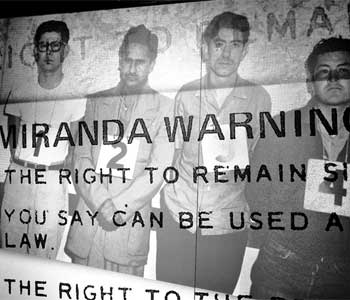
Confessions and other self-incriminating statements to law enforcement officials are a strong source of evidence against a defendant at a trial. Confessions are produced in about 50% of criminal cases. Suspects who provide self-incriminating statements are 26% more likely to be found guilty and convicted (Leo, 2006). Miranda v. Arizona (1966) described a defendant’s confession as “the most compelling possible evidence of guilt.” The Supreme Court ruled in the Miranda case that any statement made in custodial police interrogation would be presumed inadmissible unless the police provided four warnings (some jurisdictions added a fifth) to remind the defendant of his or her constitutional rights.
An individual cannot waive their Miranda rights unless they are able to knowingly, intelligently, and voluntarily do so. "Knowingly" refers to an individual's ability to understand the language in which the Miranda rights were read or written. "Intelligently" refers to the individual's ability to comprehend the meaning of the warning. "Voluntarily" means that the individual waived his or her rights without being coerced by the police to do so.

Dr. Steven Gaskell - Forensic Psychologist
Our Miranda Rights psychological evaluations are instrumental in various legal scenarios, including:
Assessing the Validity of Confessions
Determining if a confession was obtained through a valid waiver of rights.
Mental Health Considerations
Assessing individuals with mental illnesses or cognitive impairments that may affect understanding.
False Confession
Analysis
Delivering comprehensive reports within agreed-upon timeframes.
We offer Miranda Rights psychological evaluations in:

Chicago, Illinois

Atlanta, Georgia

Fort Lauderdale, Florida
Evaluations can be conducted in-person or via secure telehealth platforms, ensuring accessibility and convenience. IME Evaluations can be completed by videoconference through Doxy.me, which is as easy to use as Skype or FaceTime, but is secure and HIPAA compliant.
For expert Miranda Rights psychological evaluations, contact Psycholegal Assessments, Inc. at:
Visit contact page to request an appointment
Forensic psychologist Dr. Steven Gaskell performs a wide range of forensic psychological evaluation services including the psychosexual assessment of sex offenders and sex...

Forensic psychologist, Dr. Steven Gaskell performs comprehensive psychosexual assessments of child pornography offenders (child sexual abuse materials CSAM). These child...

Dr. Steven Gaskell is a forensic psychologist who performs forensic psychological evaluations including the assessment of competency to stand trial....

The Court ruled that an insane person (they meant an incompetent or unfit person) cannot be put to death. They...

Dr. Steven Gaskell is a forensic psychologist who performs a wide range of forensic psychological services including the assessment of...

Forensic psychologist Dr. Steven Gaskell has completed over 3000 Forensic Psychological Evaluations including more than 1850 psychosexual evaluations, including Sexually...

Dr. Gaskell, forensic psychologist at Psycholegal Assessments, Inc., has completed over 1300 Forensic Psychological Evaluations including more than 750 sex...

Forensic psychologist Dr. Dr. Steven Gaskell provides several types of comprehensive forensic psychological evaluations to the courts, as well as...
Dr. Steven Gaskell, forensic psychologist at Psycholegal Assessments, Inc. provides several types of forensic psychological evaluations to the courts, as...
 Competency to Stand Trial
Competency to Stand Trial, also known as Fitness to Stand Trial, is imperative for ensuring that a defendant can comprehend the nature and objective of the legal actions against them and actively cooperate with their defense attorney.
 Psychosexual Evaluations
Psychosexual evaluations of sex offenders incorporate a comprehensive risk assessment utilizing actuarial instruments and other research-supported risk and protective factors.
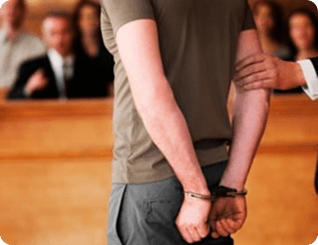 Criminal Responsibility
Criminal responsibility or sanity evaluations are critical when a defendant’s mental state at the time of committing an offense is in question. These evaluations can be initiated by the court, defense, or prosecution to establish a clear understanding of the defendant’s mental condition during the crime.
 Independent Medical Exam
An Independent Medical Exam is conducted by a psychologist without prior involvement in the individual’s care, ensuring an objective assessment without a therapist-patient relationship.
 Miranda Rights & Confession Issues
The role of confessions and self-incriminating statements in criminal cases cannot be understated. Confessions are produced in about 50% of criminal cases, where suspects who provide self-incriminating statements are 26% more likely to be found guilty and convicted (Leo, 2006).
 Malingering and Deception
In the legal realm, psychological assessments can be compromised by malingering or deception, with individuals potentially presenting themselves dishonestly during interviews and tests to influence the outcome.
 Mitigating Factors
Mitigating factors consider the defendant’s mental state and historical mental disorders or psychological trauma, even when these do not qualify for an insanity defense, to argue for a reduced sentence. The contributions of evaluations and reports by experts like Dr. Steven Gaskell are vital for presenting such evidence.
 Guilty But Mentally Ill (GBMI)
Introduced first in Michigan in 1975, the GBMI verdict was proposed to diminish the success rate of insanity defenses, offering a compromise verdict that, while seemingly compassionate, subjects the defendant to the same penalties as a guilty verdict.
Schedule your free video consultation today. HIPAA-compliant evaluations available across multiple states.
Psychological evaluations are now able to be completed by HIPAA compliant video conferencing.
Request more details by filling out the form below.
Psychological evaluations are now able to be completed by HIPAA compliant video conferencing.
Request more details by filling out the form below.